10thHuman: On blogging and ‘leaving a trail’

image from pixabay
image from pixabay

Last week, I posted about the idea of developing a sustainable battle rhythm as a career decision. Seth Godin indicated he viewed his habit of blogging daily as one such decision he’s made.

I wanted to share another component of the conversation. Blogging, Godin says, “leaves a trail.”

What possible benefit could an entrepreneur derive from such an activity?

There are several that I can think of:

  1. It helps to document your thoughts and ideas. This blog, 10thHuman.com, is the formal implementation of my professional journal.
  2. It demonstrates authenticity and commitment to your ‘tribe‘. People following your posts are able to glean insight into your character and positions.
  3. It establishes credibility. In my profession as a Realtor®, I post content videos on YouTube and write “From the inbox:” posts in response to questions I think are broadly applicable to consumers. It’s my hope and intent to help inform consumers and clients about the market and industry. In doing so, I hope to earn their business.

What would you add to the list?

22 September edit 

I have been thinking about this a lot recently and would add one more item to the list, for now. That is, if you blog the platform is YOURS. Some of the systems out there, like Facebook or WordPress, are promoting the idea of blogging within their system. Facebook also penalizes the sharing of external links in terms of reach. However, in this lies the very reason not to abandon your platform.

Other systems will come along. Facebook WILL be disrupted. If you’ve maintained your content on your own platform, you alone control the disposition of the same.

Just something to consider!

10th Human: A sustainable battle rhythm is a career decision

20160731 OODAI had an hour drive in the car this morning and chose Tim Ferris’ podcast with Seth Godin to pass the time. There were a solid dozen ‘nuggets’ I jotted down for future follow up and thought but I want to share one with you today.

When asked about his habit of blogging daily (a decision I’ve recently begun here), Mr. Godin referred to this as a ‘career decision’. This was an intentional decision on his part, one of 5 or 6 he has made in his career, he stated.

That really landed with me. I use the language of a “battle rhythm” in my business (twenty years of military service left me with a lingering affinity for the lingo). A concept I’ve been struggling to articulate concisely for a little while is the why of having a sustainable battle rhythm is so important. It seems apparent that a business owner wants to have this because consistency and reliability build brand trust. However, Seth’s phrasing of a daily habit like blogging as a career decision really stuck with me.

In sum, having a sustainable battle rhythm is also a career decision.

P.S. I should probably define what I mean by battle rhythm. My definition here is: those minimum, mandatory tasks you do on a continual basis to maintain your business.

10th Human: On “To-Do” lists

image from pixabay
image from pixabay

There are hundreds (if not more) of philosophies and strategies regarding to do lists. A Google search yields thousands upon thousands of results, from the 5 best To Do List Managers to the 5 Best To Do List Tips to the 5 Ways to Make Your To List More Effective to the Anti To Do List.

What’s one to do? (Sorry, had to!)

I am a proponent of the basics. My to do list is nothing fancy. I use a small notebook where I make a note of the daily to dos (it’s sorted by date). Priority tasks get an (!) next to them. I am also a proponent of ToDoist.com. It’s straightforward project and task based team task management platform. I use this for larger projects and task delegation.

Effective task management is critical to the long term success of a business.

What system do you use?

The only sustainable competitive advantage…

20160731 OODA“The only sustainable competitive advantage is an organization’s ability to learn faster than the competition.”
– Peter Senge, Society for Organizational Learning

I read this quote earlier today in Disrupt You! by Jay Samit and it’s a nugget of pure wisdom.

In our ever changing world, what really is a 21st century businesses’ greatest asset? I would submit for your consideration that it is as quoted above, the ability to learn and adapt and implement faster than the competition.

If this sounds familiar, it’s tied into the overarching goal of the OODA loop, too.

Fortune favors the follow up. – Erik Stark

image from pixabay
image from pixabay

I was listening to the BiggerPockets podcast this morning and heard this advice from Erik Stark, a successful Florida real estate marketer. He has a number of nuggets of wisdom in the podcast and I would very much encourage you to listen (it’s #93).

I wanted to take a moment and dig into this quote today. What does Mr. Stark mean by this? In his business, he has found success in the follow up. He has developed a system that works for him, through which he is able to deliver sustained and systematic follow up to his clients.

Are you following up? Do you have a system to do so?

Fortune favors the follow up. – Erik Stark

Rule #1: define your why

I believe the first rule of a successful venture is to define your “why?”

Why are you doing what you are doing?

What drives you to get up every morning, gear up and head out the door?

My professional why is helping people succeed in their businesses. I am fascinated by what makes businesses and people tick and the exploration of ways to improve strategy, culture and processes.

Why is defining your why so important? 

If you don’t know you’re why, you’re what and how are going to be extremely difficult to define, much less execute.

You must know your why so that you can effectively determine your what and how.

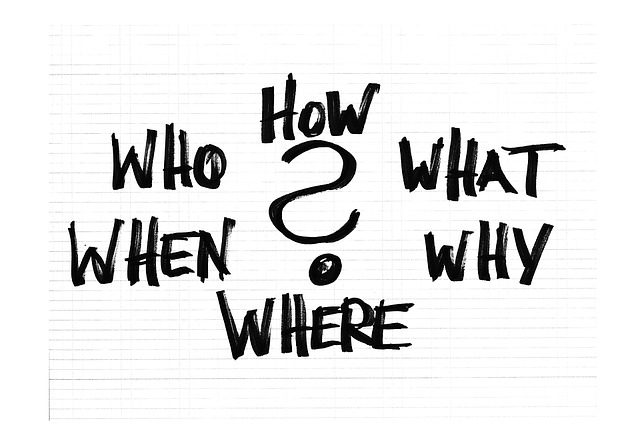
Why am I doing this?

What problem am I solving?

How am I going to solve that problem?

Business Strategy: Asking “what next”?

Are you asking, “What next?” in your business? Is this part of your overall strategy?20160731 OODA

Is it part of your battle rhythm?

This isn’t necessarily a ‘what does tomorrow look like?’ question. It’s more geared at ‘what’s next for my industry? for my business? are we positioned to compete in that model? are we positioned to innovate in that model?’